


On the blog, we always talk about Matcha Tea, but did you know that there are 3000 different types of tea in the world? Incredible, right?
In reality, the types of tea can be grouped into six main categories:
– Green Teas
– Black Teas
– White Teas
– Oolong Teas (or blue teas)
– Pu-erh Tea, less known, takes its name from the province where its leaves are harvested, located in the Ying-Shen region, in Yunnan.
– Herbal Teas.
For each of these, there are many variants, but if, for example, the green teas from Japan are all grown in the same place, what differentiates them from one another? Let's find out together!
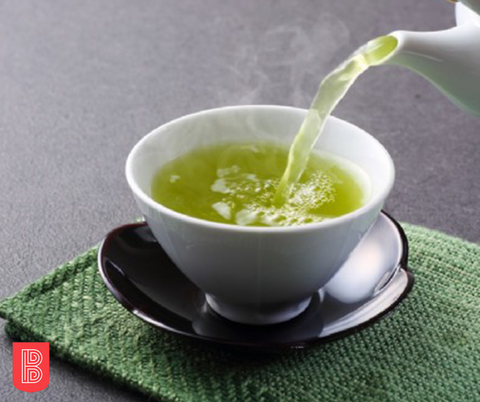
Types of Japanese Green Teas
The difference between the various green teas lies in the methods used to plant, cultivate, and harvest, and finally treat the tea leaves.
Japan represents only 71% of the green tea produced worldwide and on the market; besides Matcha, there are different types available.
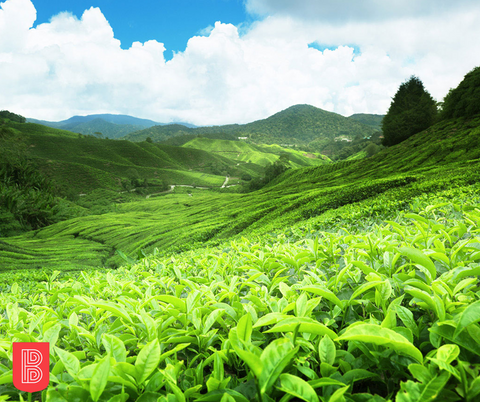
Gyokuro
This is the most expensive type of tea produced in Japan. With a dark color and a slightly sweet flavor due to the high presence of Tencha, as the plants are covered during cultivation to avoid exposure to sunlight.
Sencha
This type represents 70% of the tea consumed in Japan. With a slightly sweet and dry taste, it is the most frequently consumed variety in Japan.
Genmaicha
Genmaicha has a very particular taste, similar to the flavor of hazelnut. This is because it is roasted together with rice, which gives it its flavor.
Hojicha
In this case, the leaves and herbs of the tea are roasted, giving the beverage a very rich flavor and a low caffeine content.
Kukicha
Obtained from the stems of plants already used to create the types of tea we have already discussed, this variety has a very light taste and a very light green color.
Bancha
Bancha, also consumed daily like Sencha, has a more bitter taste and a less fragrant aroma.